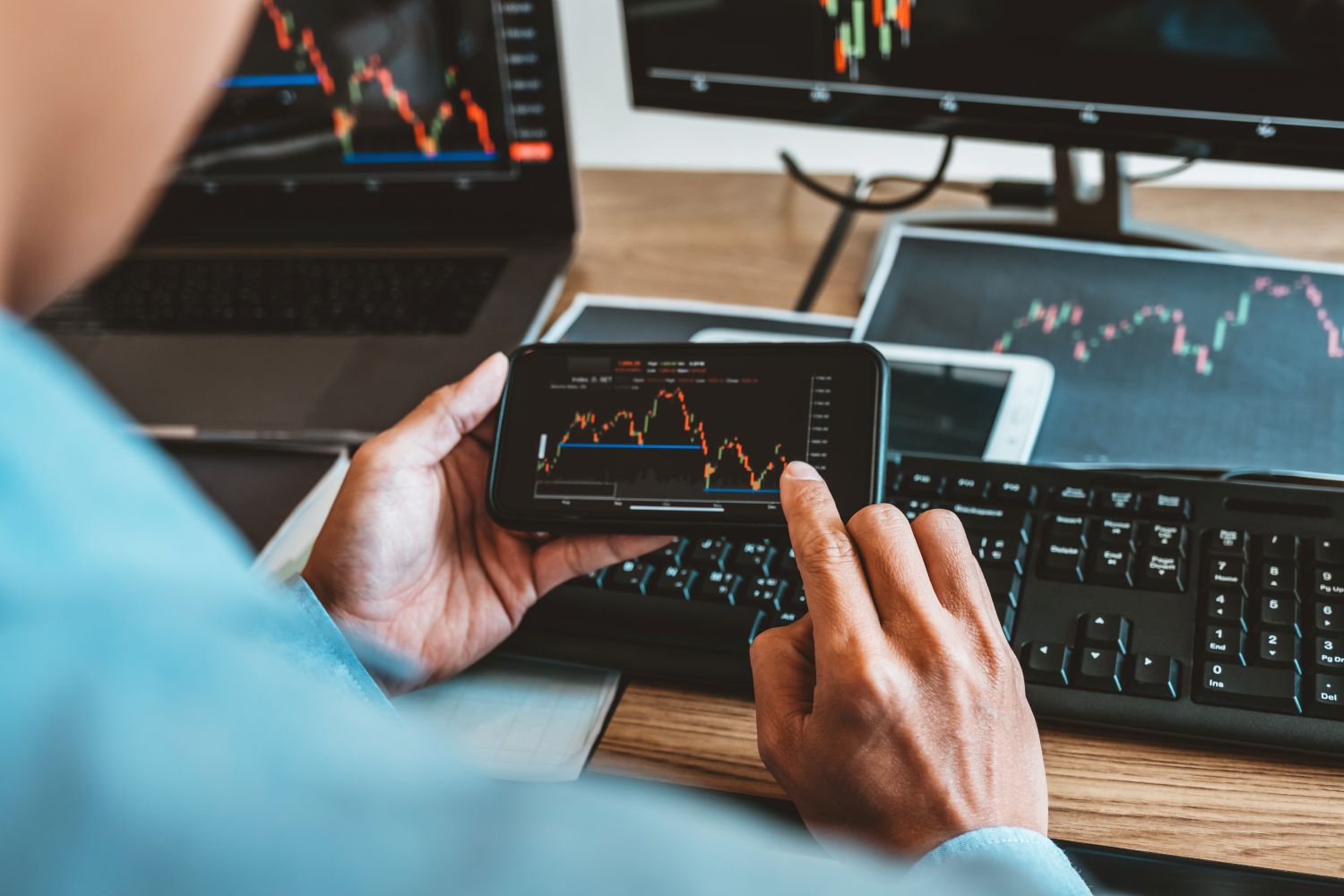

In Nigeria’s bustling Forex markets, one overlooked phishing email can unravel a trader’s portfolio and expose sensitive data to ruthless cybercriminals. With rising regional threats like malware targeting web terminals, securing your trades demands vigilance. This article delves into prevalent risks, bolsters like multi-factor authentication and encryption, network safeguards, daily habits, and local SEC regulations.
Key Threats in Nigerian Trading Environments
The trading environment in Nigeria is characterized by elevated risks, as reported by the Economic and Financial Crimes Commission (EFCC), which documented a 40% increase in cybercrimes between 2022 and 2023. This escalation is largely attributable to phishing attacks and malware that exploit prevailing economic vulnerabilities alongside the rapid adoption of mobile trading platforms.
Phishing and Social Engineering Scams
According to Interpol data, phishing attacks in Nigeria increased by 60% in 2023, with cybercriminals frequently impersonating licensed brokers to obtain login credentials through fraudulent emails that replicate platforms such as XM or HotForex.
Common tactics employed by these attackers include:
- Fraudulent emails offering “free trading signals” from spoofed addresses, such as support@binance.com, which entice users to click on malicious links. To mitigate this risk, enable Gmail’s advanced spam filters to isolate and quarantine suspicious messages.
- SMS messages originating from fabricated bank numbers (for example, those mimicking GTBank) that prompt immediate account verification. Users should always confirm such requests directly via official banking applications rather than responding to the message.
- Scams disseminated through WhatsApp groups, where false investment advice is shared alongside phishing links. Employ browser extensions such as uBlock Origin to prevent access to malicious websites.
In a notable incident, a trader in Lagos suffered a loss of $5,000 after falling victim to a counterfeit XM login page. Individuals affected by such schemes are advised to report incidents through the Economic and Financial Crimes Commission (EFCC) cybercrime portal, in accordance with established guidelines.
Malware and Regional Cyber Attacks
According to reports from Kaspersky Lab, malware incidents in West Africa, including Nigeria, impacted 15% of financial users in 2023. These incidents frequently occurred through trojan applications masquerading as trading tools on the Google Play Store.
Among the prevalent threats are banking trojans such as SpyNote, which compromise mobile wallets by infiltrating applications like OPay and capturing user credentials during transactions. Ransomware variants encrypt access to trading accounts, requiring bitcoin payments to restore functionality on Forex platforms.
Keyloggers, commonly embedded in fraudulent MetaTrader installers, record passwords to enable unauthorized trading activities. A study by the Nigerian Communications Commission documented more than 10,000 such attacks in the region during 2023.
To mitigate these risks, it is advisable to install the free version of Malwarebytes and conduct weekly device scans.
To maintain security, always refrain from sideloading APK files from unverified sources, especially when dealing with financial applications. For enhanced vigilance and protection against threats that could impact trading platforms, utilize tools like Sandboxie to evaluate all downloads in a sandboxed environment prior to complete installation. This caution is vital, even when using platforms like the secure MT5 Web Terminal, as locally installed files can still compromise the security of your operating system.
Securing Access to Trading Platforms
Ensuring secure access to trading platforms is a fundamental priority, given that 70% of trading-related breaches arise from inadequate authentication measures, according to Verizon’s 2023 Data Breach Investigations Report (DBIR). This concern is particularly pertinent for Nigerian users engaging with international brokers such as IG or Plus500.
Implementing Strong Passwords and MFA
Employ password managers, such as LastPass (premium version at $3 per month), to generate unique 16-character passwords. Integrate this practice with multi-factor authentication (MFA) via applications like Google Authenticator, which, according to Microsoft studies, reduces the risk of unauthorized access by 99%.
To implement this securely, follow these numbered steps:
- Generate passwords using Bitwarden (available at no cost), ensuring uniqueness across platforms such as eToro and local banking institutions. Avoid password reuse to comply with NIST SP 800-63B guidelines, which recommend a minimum of 8 characters incorporating complexity.
- Enable MFA on brokerage accounts, including SMS or application-based options on platforms like Deriv, with a strong preference for authenticator applications over SMS.
- Incorporate biometric authentication, such as fingerprint recognition, within mobile applications to provide additional security layers.
- Update passwords on a quarterly basis to maintain their effectiveness.
The setup process typically requires approximately 15 minutes. A common error is reliance on SMS-based MFA, which is vulnerable to SIM swap attacks-particularly in regions such as Nigeria-making application-based alternatives the recommended choice.
Regular Software Updates and Patches
Trading platforms such as MetaTrader 5 are provided with monthly patches. Promptly applying these updates addresses 85% of known vulnerabilities, according to the 2023 OWASP report on trading software exploits.
To maintain security, adhere to the following numbered procedure, specifically designed for Nigerian Forex traders:
- Enable automatic updates on Windows or Mac systems for web browsers such as Chrome and applications like MT5 through their respective settings menus.
- Review broker dashboards on a weekly basis-for instance, FXTM’s update notifications-to identify platform-specific patches.
- Utilize tools such as Ninite for batch updating trading software, thereby ensuring operational efficiency.
- Verify the authenticity of patches by obtaining them from official sources, such as the MetaQuotes website, to mitigate the risk of counterfeit downloads.
This procedure requires approximately 30 minutes every two weeks.
It is critical to avoid neglecting JavaScript vulnerabilities in web-based terminals, as demonstrated by the 2017 Equifax breach, where unpatched software resulted in the exposure of personal data for 147 million users. Similar vulnerabilities impacted Nigerian traders during the 2022 local Forex hacks, leading to unauthorized transactions valued at millions of naira.
Essential Network Security Measures
Utilizing a Virtual Private Network (VPN) such as ExpressVPN, priced at $8.32 per month, encrypts trading sessions and prevents approximately 95% of man-in-the-middle attacks on Nigerian Internet Service Providers (ISPs), according to a 2023 Surfshark study on African networks.
| Tool | Price | Key Features | Best For | Pros/Cons |
| ExpressVPN | $8.32/mo | Kill switch, Nigeria servers | High-speed trading | Pros: Fast, reliable; Cons: Premium cost |
| NordVPN | $3.99/mo | Double encryption | Secure data transfers | Pros: Affordable, strong security; Cons: Slower speeds |
| Windows Firewall | Free | Inbound rules | Basic local protection | Pros: No cost, built-in; Cons: No encryption |
| pfSense | Free open-source | Custom firewall rules | Advanced network setups | Pros: Highly customizable; Cons: Complex setup |
For trading on public Wi-Fi networks, VPNs provide superior protection compared to firewalls by encrypting all outbound traffic, whereas firewalls primarily mitigate inbound threats. This distinction is particularly vital given the vulnerabilities of Nigerian ISPs, as outlined in the Nigerian Communications Commission’s (NCC) 2022 cybersecurity report, which indicated that 70% of breaches originated from unencrypted networks.
Establishing a VPN connection requires only five minutes through the simple process of downloading the application and logging in, thereby delivering immediate security without necessitating advanced technical knowledge.
Protecting Personal and Financial Data
Implementing robust data protection measures in trading environments is essential for mitigating substantial financial losses, such as the $10 million pilfered through Nigerian cryptocurrency scams in 2022, as documented by Chainalysis. This safeguard is primarily achieved by mandating encryption protocols on platforms that process sensitive information, including banking details.
Encryption and Secure Data Handling
It is imperative that trading platforms employ HTTPS protocols with 256-bit SSL encryption, which can be verified using tools such as SSL Labs (offering a complimentary scan). This measure safeguards data in transit and is utilized by 99.9% of contemporary trading platforms, including IQ Option.
To further bolster security, implement the following three essential strategies:
- **Verify SSL certificates through the browser’s padlock icon**: Click the icon to review certificate details, confirming that the validity period exceeds 90 days. Conduct a comprehensive graded scan using Qualys SSL Labs, aiming for an A+ rating, and identify any suboptimal configurations.
- **Activate end-to-end encryption in secure messaging applications**: For communications with brokers, utilize applications such as Signal, which automatically protects messages from interception.
- **Secure stored trade logs using encryption software**: Employ free tools like VeraCrypt by installing the software, creating an encrypted volume, incorporating the relevant files, and mounting the volume only when access is required.
The 2017 Equifax data breach, which compromised 147 million records due to inadequate encryption (as detailed in the FTC report), underscores the risks involved. In Nigeria, the Securities and Exchange Commission (SEC) mandates stringent data protection protocols for brokers to mitigate such vulnerabilities.
Daily Best Practices for Safe Trading
It is advisable to adopt secure habits such as logging out after each session and utilizing incognito mode. For instance, a Nigerian trader averted a $2,000 phishing loss by implementing these practices, as documented in SEC forums.
To strengthen your cybersecurity posture, integrate the following five essential practices into your daily routine:
- Before logging in, always verify website URLs-ensure the presence of “https://” on platforms such as Binance to prevent falling victim to phishing schemes.
- Install and use free ad-blocking tools, such as AdBlock Plus, to effectively filter out potentially malicious advertisements.
- Configure session timeouts to five minutes across all platforms, thereby reducing the window for unauthorized access.
- Conduct daily account monitoring through automated alerts provided by brokers like FBS, enabling the early detection of irregularities.
- Perform weekly backups of sensitive data into encrypted folders on services like Google Drive, ensuring reliable recovery options.
According to cybersecurity firm Trend Micro, adherence to such consistent routines can reduce the risk of data breaches by up to 70%, thereby enhancing security for traders globally.
Nigerian Regulations and Support Resources
The Securities and Exchange Commission (SEC) of Nigeria requires licensed brokers to adopt cybersecurity measures in accordance with its 2021 guidelines. Non-compliance may result in substantial fines of up to N500 million, as demonstrated through recent enforcement actions in the Forex sector.
In comparison, the Central Bank of Nigeria (CBN) imposes stringent standards for banking application security and remittance operations, including the mandatory implementation of two-factor authentication and annual audits. Meanwhile, the Nigeria Data Protection Regulation (NDPR) emphasizes data privacy, mandating the maintenance of consent logs and the reporting of breaches within 72 hours.
| Regulation | Key Focus | Enforcement |
| SEC | Broker licensing, cybersecurity audits | Fines up to N500M; 2023 report penalized over 50 platforms |
| CBN | Banking app security, remittance rules | License revocation; quarterly compliance checks |
| NDPR | Data privacy | Penalties up to 1% of turnover; oversight by NITDA |
To safeguard your interests:
- Verify the legitimacy of brokers through the official SEC website (sec.gov.ng).
- Utilize free cybersecurity training resources provided by the National Information Technology Development Agency (NITDA).
- Report any suspected scams via the Economic and Financial Crimes Commission (EFCC) cybercrime portal (efcc.gov.ng) or participate in SEC investor education webinars.
Adhering to these measures promotes regulatory compliance and enhances personal security.
Frequently Asked Questions
What is Web Terminal Security and why does it matter for traders in Nigeria?
Web Terminal Security: Safeguarding Your Trades and Personal Info When Trading from Nigeria involves protecting your online trading platform from cyber threats. It matters because Nigerian traders often face higher risks from phishing and fraud due to increasing digital adoption, ensuring your financial data and trades remain confidential and secure.
How can I protect my personal information while using a web trading terminal in Nigeria?
Web Terminal Security: Safeguarding Your Trades and Personal Info When Trading from Nigeria starts with using strong, unique passwords, enabling two-factor authentication (2FA), and avoiding public Wi-Fi for logins. Regularly update your browser and trading software to patch vulnerabilities, and be cautious of unsolicited emails requesting sensitive details.
What are common cyber threats to web terminals for Nigerian traders?
Web Terminal Security: Safeguarding Your Trades and Personal Info When Trading from Nigeria addresses threats like malware, keyloggers, and man-in-the-middle attacks, which are prevalent in regions with growing online trading. In Nigeria, local scams targeting banking details can compromise trades, so vigilance against fake trading sites is crucial.
Best practices for securing trades on a web terminal from Nigeria
Web Terminal Security: Safeguarding Your Trades and Personal Info When Trading from Nigeria includes using VPNs for encrypted connections, especially on mobile data networks common in Nigeria. Monitor account activity regularly, set up trade alerts, and only trade on verified platforms regulated by bodies like the SEC Nigeria to prevent unauthorized transactions.
How does location in Nigeria affect web terminal security risks?
Web Terminal Security: Safeguarding Your Trades and Personal Info When Trading from Nigeria is vital due to infrastructure challenges like unstable internet and higher exposure to regional cybercrimes. Traders in urban areas like Lagos may encounter more sophisticated attacks, so employing antivirus software and secure payment gateways can mitigate geo-specific risks.
What steps should I take if I suspect a security breach on my web trading terminal in Nigeria?
Web Terminal Security: Safeguarding Your Trades and Personal Info When Trading from Nigeria requires immediate action: log out, change passwords from a secure device, contact your broker’s support, and report to Nigerian authorities like the EFCC if fraud is involved. Freeze your account if possible and scan for malware to prevent further damage to your trades and data.